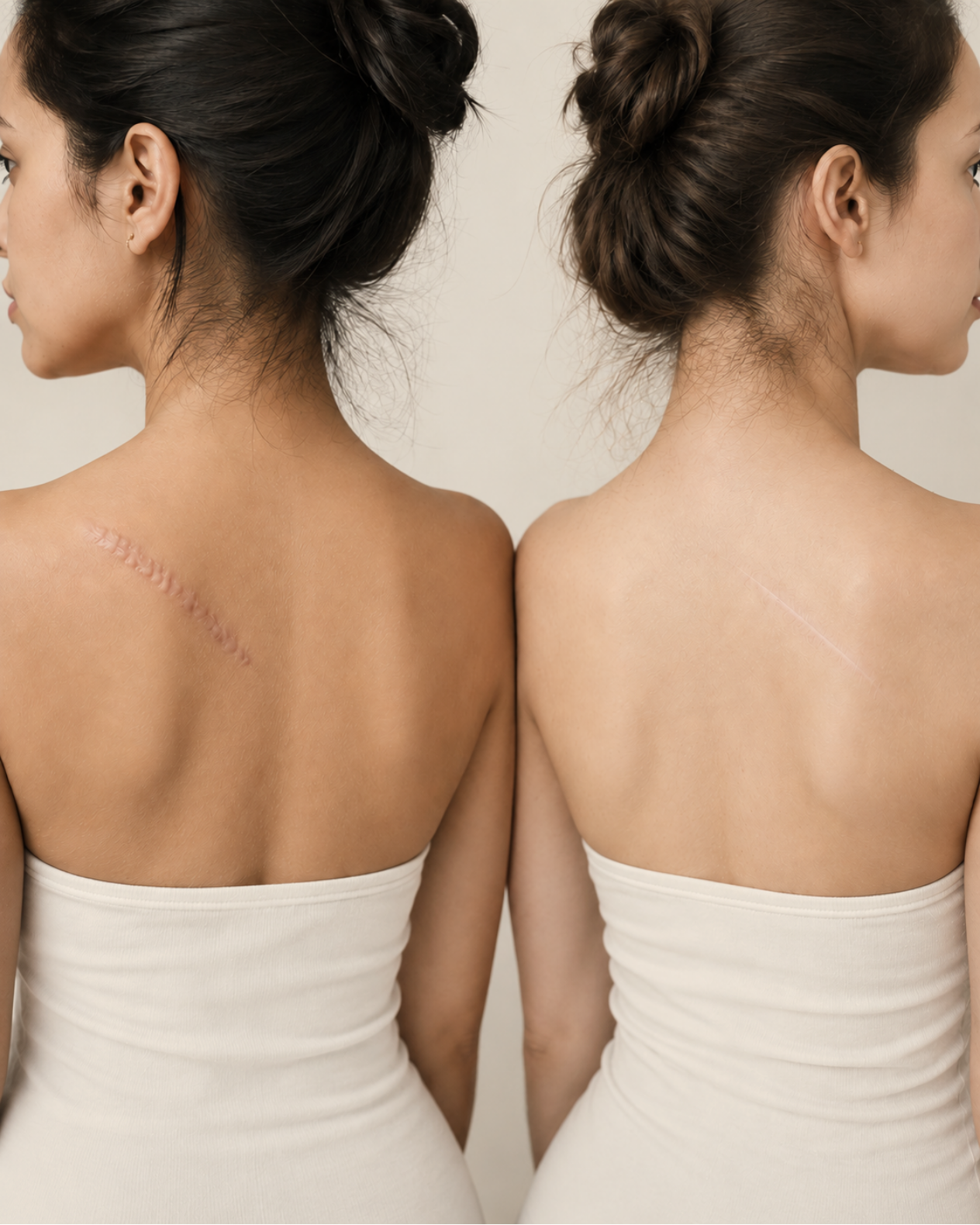
Scar Revision vs. Scar Camouflage: Understanding Your Treatment Options
Written by Luxe Conceal .
Not all scars are the same, and neither are the treatments used to improve their appearance.
Some scars are more noticeable because of differences in skin color, while others have textural irregularities that may require a different approach.
That's why understanding the difference between scar revision and scar camouflage is so important. Although both treatments aim to improve the appearance of scars, they address different concerns.
The first step is understanding what your scar needs before deciding which approach may be right for you.
1. Understanding Your Scar Before Choosing a Treatment
Before considering any treatment, it's important to understand the current condition of your scar. Several factors
can influence which approach may be suitable for you, like:
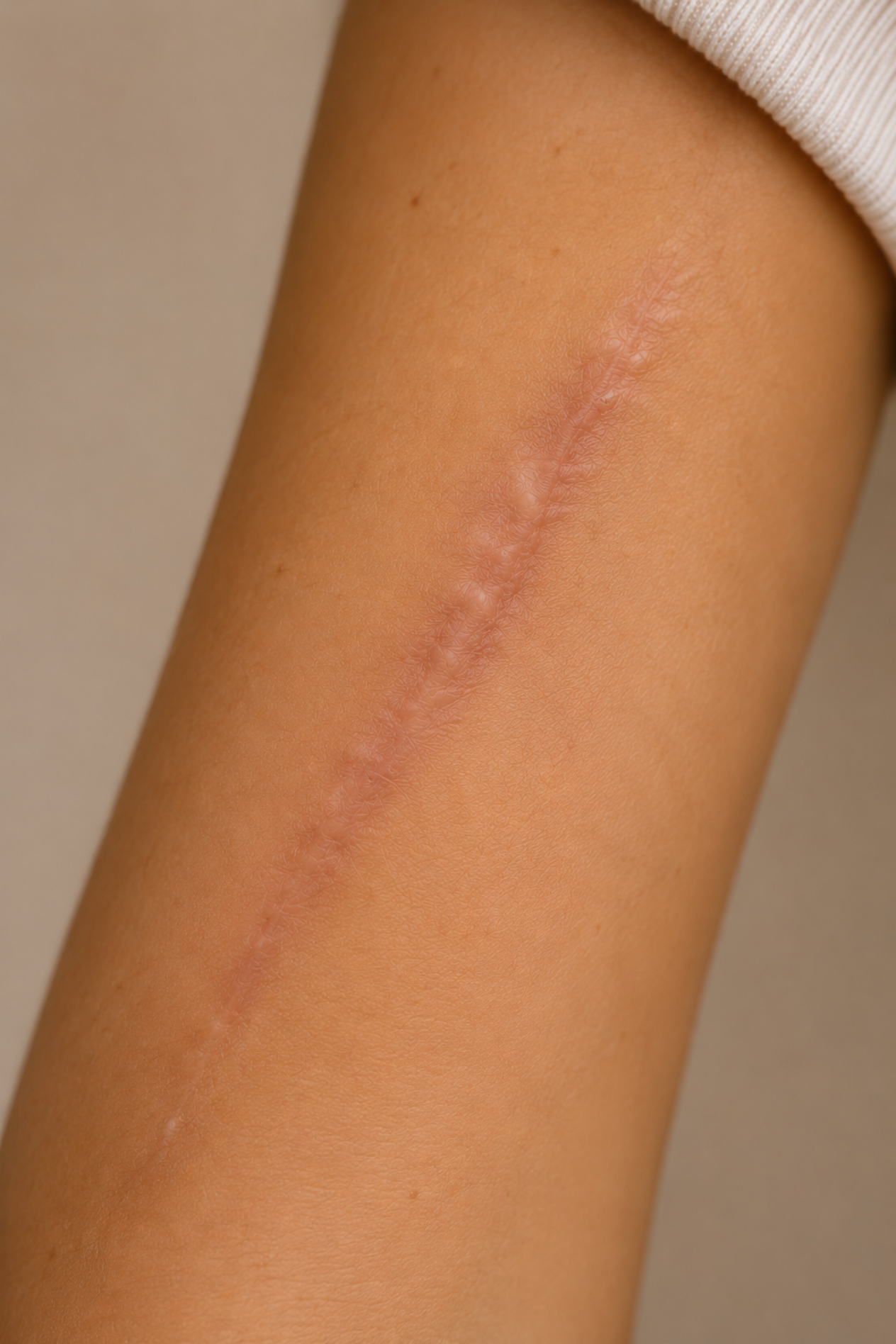
● Texture: Is the scar raised, depressed, uneven, or relatively flat?
● Color: Is it lighter, darker, or noticeably different from the surrounding skin?
● Maturity: Has the scar fully healed and stabilized?
● Skin condition: Is there any irritation, inflammation, or other concern
that could affect treatment?
● Healing history: How did the scar develop, and how has it changed over time?
These details help me, as your artist, determine whether the main concern is related to color, texture, or a combination of both. Not every scar is ready for treatment, and choosing the right approach starts with understanding the skin rather than focusing only on the appearance of the scar.
2. Scar Camouflage: Addressing differences in skin color
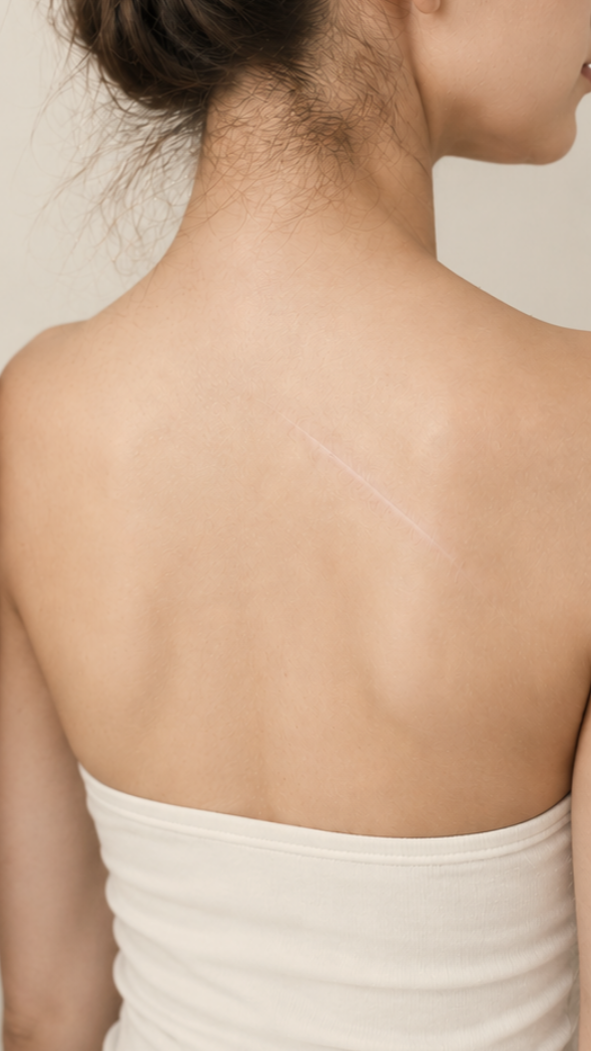
Scar camouflage is a paramedical tattooing technique that focuses on reducing the visual contrast between a scar and the surrounding skin. For mature, fully healed, relatively flat scars, the main concern may be pigmentation rather than texture. In these cases, selected pigments can be introduced into your skin to help the treated area blend more naturally with the surrounding skin. At Luxe Conceal, every pigment is carefully selected to perfectly match your skin tone and undertone, using advanced technology from the skin reader by Nue Conceal.
Scar camouflage may be an option for certain surgical scars, injury-related scars, and light or hypopigmented scars. However, it's important to understand that scar camouflage addresses color differences, not texture. If a scar is raised, depressed, or uneven, adding pigment alone will not correct those characteristics, and can make the scar more noticeable if we don’t fix the texture first.
The condition of the skin also matters. Remember, a scar needs to be fully healed and suitable for treatment before camouflage can be considered, otherwise we can create more damage to the skin and worsen the condition.
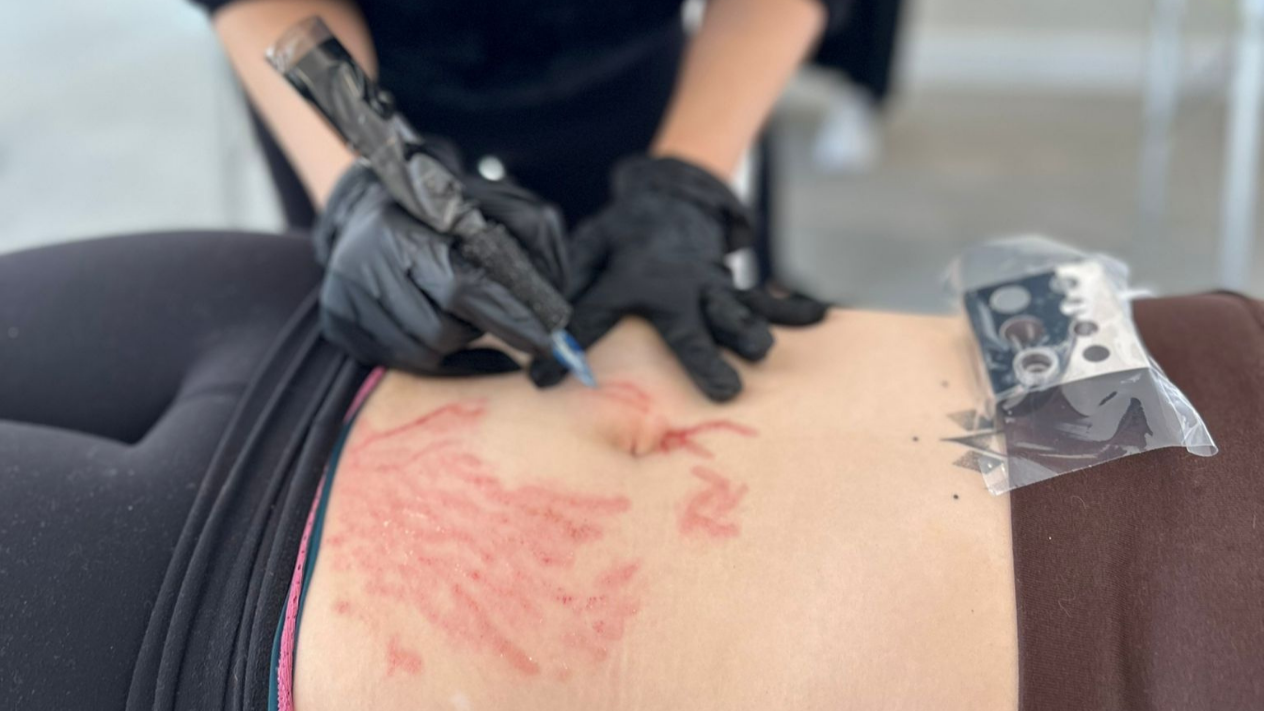
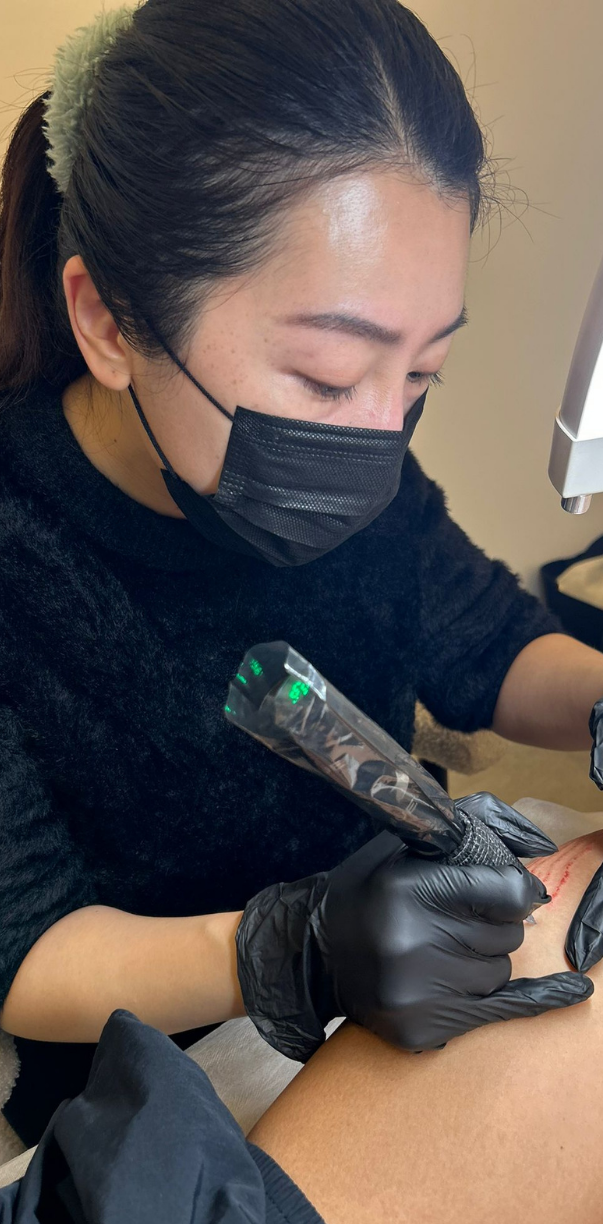
Unlike scar camouflage, inkless scar revision does not involve introducing pigment into the skin. Depending on the scar's condition and individual suitability, different paramedical techniques are used to work with the treated area and support its recovery. This approach can be considered for certain depressed or uneven scars, as well as scars with fibrotic characteristics.
It’s very important to mention that scar revision is not automatically suitable for every textured scar. The type of scar, its condition, and your skin's healing history all need to be considered. Some scars may also require medical evaluation before any cosmetic procedure is performed.
Other concerns, such as active skin conditions, inflammation, irritation, or unusual changes in a scar, should also be assessed before proceeding. Certain medical conditions, medications, and skin sensitivities can influence how your skin responds to a procedure. If you have any concerns, discussing them with your healthcare provider before treatment is always a good idea. At Luxe Conceal, your skin's condition and safety come before any aesthetic goal. If a scar does not appear suitable for treatment, or if there is uncertainty about its condition, the appropriate next step is to seek guidance from a qualified healthcare professional.
Taking the time to evaluate these factors helps ensure that any treatment considered is appropriate for your skin, rather than rushing into a procedure that may not be right for you.
Finding the Right Approach together
Once your scar has been assessed, the next step is understanding which treatment approach may best address your concerns. This is not a one-size-fits-all process. Two scars may look similar but have different characteristics, healing histories, and treatment considerations. Your personalized treatment plan may depend on several factors:
● Scar condition and maturity: Whether the scar is fully healed, stable, and ready to
be considered for treatment.
● Color and texture: Whether the main concern is a difference in pigmentation, uneven
tissue, or a combination of both.
● Skin type and healing history: How your skin responds to previous injuries, treatments,
and healing processes.
● Treatment suitability: Whether scar revision, camouflage, or acombination of
approaches may be appropriate.
● Healing and aftercare: The time needed between treatment stages and the care required
to support your skin afterward.
Aftercare is also an important part of the overall experience. Following the recommended instructions, keeping the treated area protected, and avoiding unnecessary irritation can help support the skin during recovery. At Luxe Conceal, I believe that thoughtful treatment goes beyond the procedure itself. Professional products from Nue Conceal are incorporated into your treatment and aftercare routine to complement the approach selected for your skin.
It's equally important to have realistic expectations. Scar treatments do not guarantee complete removal, and results can vary depending on the characteristics of the scar, your skin, and how it heals.
The goal is to choose an approach that addresses your specific concerns while respecting your skin's natural healing process.
The Right Treatment Starts With Understanding Your Scar
Let’s recap. Scar revision and scar camouflage are not competing treatments. They serve different purposes and may be appropriate for different types of scars.
While scar camouflage focuses on reducing visible color differences, scar revision addresses certain concerns related to the condition and texture of scar tissue. In some cases, both approaches may be considered as part of a carefully planned treatment process.
Understanding these differences is an important first step toward making informed decisions about your skin. It helps you recognize what each treatment can address, what it cannot change, and why an individual assessment matters before getting started.
At Luxe Conceal, I take a personalized approach to every scar, considering its characteristics, your skin's condition, and your individual goals. From treatment selection to recovery and aftercare, every stage deserves attention. We also value the role of professional products from Nue Conceal, in supporting the treatment experience and recommended care routine.
Remember, improving the appearance of a scar is a process, not a race. Giving your skin the attention, time, and appropriate care it needs is just as important as choosing the treatment itself. Every scar has different needs, and your treatment plan should reflect that. The best place to start is with a professional assessment and a conversation about what may be suitable for you.
3. Scar Revision: Improving the appearance of the tissue
Sometimes, the main concern isn't the color of a scar but the condition of the tissue itself. Some scars can have texture, and they may require a different approach before camouflage is considered. This is where inkless scar revision may be an option for you.
4. Can We Combine Scar Revision and Camouflage?
Absolutely. In some cases, these approaches can complement each other. A client may have a scar with both textural irregularities and noticeable color differences. Treating only one concern may not address the client's
overall aesthetic goals.
In these situations, we may consider a treatment plan that addresses the tissue first and evaluates camouflage as a possible next step. The sequence matters. We need to allow enough time for healing and reassess the skin before deciding whether pigment is appropriate.
We should never rush into camouflage simply because the client wants to correct the color. The skin needs to be ready for that treatment.
5. When your scar might need medical evaluation
Not every scar is suitable for treatment, and understanding when medical attention is necessary is an important part of protecting your skin. Some scars require a different level of care before any procedure can be considered. For example, keloid scars, which extend beyond the boundaries of the original wound, require medical evaluation.